what is Astaxanthin

What is Natural
Astaxanthin?
Astaxanthin Image

Astaxanthin is a keto-carotenoid, in the form of red pigment produced naturally in the freshwater microalgae Heamatococcus pluvialis, which has a more stable structure and stronger bioactivity.

Astaxanthin is the most powerful antioxidant found in nature and might protect cells from damage. It has many physiological functions in humans and animals. Most problems in the body are caused by oxidative stress (free radicals) or chronic inflammation. It helps eliminate free radicals and has significant anti-inflammatory effects (even on silent inflammation).

It can be found in wild salmon and Antarctic krill as well, which draw power and energy from this red substance to survive and thrive in extremely cold water.
Why is Astaxanthin
Working So Well?

Cell Protection

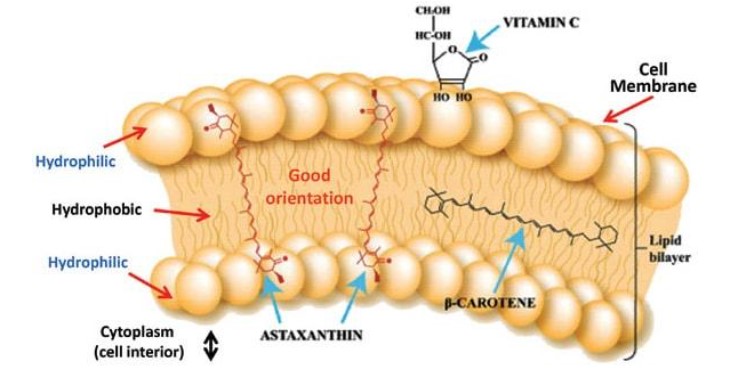
Astaxanthin, with its unique structure, is able to span the cell membrane, thus providing antioxidant protection to both the inner and the outer wall, as well as the intra-membrane space. All of these factors make Astaxanthin 'the king of antioxidants'.

The antioxidant effects of Astaxanthin are remarkable. Its effectiveness is due to the shape and length of its molecule and its solubility in both water and fats. The molecule permeates cell walls (and may act also in the brain and eyes). Unlike many potent antioxidants (Vitamin E, β-Carotene, Zeaxanthin, etc.), which can under certain circumstances become pro-oxidants, Astaxanthin does not change to a pro-oxidant.

It is worth mentioning that Astaxanthin can handle several (up to 19) free radicals at once, whereas most other antioxidants handle only one. These properties distinguish Astaxanthin from most antioxidants and explain why it has such powerful health benefits.

Ecova Footer